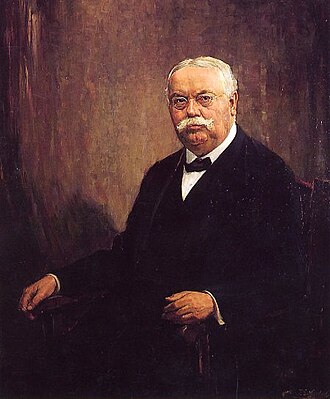
Dr. Oetker's Humble Beginnings: The Vision of a Pharmacist
The remarkable journey of Dr. Oetker, a name synonymous with quality baking and culinary aids across the globe, began not in a bustling corporate office, but in the modest pharmacy of a visionary German pharmacist. In 1891, August Oetker laid the cornerstone of what would eventually become a multi-billion-dollar empire. His initial innovation was simple yet revolutionary for its time: non-perishable baking powder. Prior to this, home bakers often struggled with inconsistent results due to unreliable leavening agents. Dr. Oetker's solution offered consistent quality and ease of use, quickly winning over households and establishing a foundation of trust that remains a hallmark of the brand today.
The key to Dr. Oetker's early success lay in solving a common problem with a reliable, high-quality product. This focus on consumer needs and product excellence became deeply ingrained in the company's DNA. From those early packets of baking powder, the company rapidly expanded its offerings to include pudding powders, essences, and other kitchen staples, always maintaining a commitment to convenience and superior results. The demand for these products soared, turning a local pharmaceutical venture into a regional, then national, household name. This initial period demonstrated the power of innovation, quality control, and understanding the market – principles that continue to guide the conglomerate even as its scope broadened far beyond the kitchen.
A Legacy Forged in Resilience: Rudolf August Oetker's Transformative Leadership
While August Oetker founded the company, it was his grandson, Rudolf August Oetker, who truly spearheaded its transformation into a multinational powerhouse. Taking the helm in 1944 amidst the turmoil of World War II, following the death of his stepfather, Rudolf August faced immense challenges. Despite a complex personal history, including a period of internment after the war, he emerged as a dynamic leader determined to rebuild and expand the family business.
Rudolf August Oetker's post-war leadership was instrumental in positioning Dr. Oetker as a symbol of Germany's economic recovery. He recognized the evolving needs of consumers and the potential for diversification. Under his guidance, the company didn't just recover; it flourished, expanding its food product lines to include a vast array of items beyond traditional baking ingredients – from frozen pizzas and ready-to-eat desserts to cereals and yogurts. This strategic expansion cemented Dr. Oetker's place in kitchens across Europe and beyond, making it one of Germany's most recognizable brands. Rudolf August Oetker's vision propelled the company's annual revenue to substantial figures, laying the groundwork for the future wealth of his descendants. By the time of his retirement as executive director in 1981, he had turned his grandfather's baking powder company into a true multinational food conglomerate. His personal wealth, estimated at US$8.0 billion by Forbes in 2006, underscored the immense success of his business acumen and the value he created for the family fortune.
Beyond the Kitchen: Dr. Oetker's Strategic Diversification
What truly sets Dr. Oetker apart from many family businesses is its audacious and successful diversification strategy. While renowned for its food products, the Oetker Group today is a sprawling conglomerate with interests extending far beyond baking powder and frozen pizzas. This strategic expansion, largely driven by Rudolf August Oetker and continued by subsequent generations, exemplifies a long-term vision for sustainable growth and risk mitigation.
The conglomerate's portfolio now includes:
- Food & Beverages: This remains the core, encompassing Dr. Oetker's iconic baking and dessert mixes, frozen pizzas, cereals, and a wide range of convenience foods. The Radeberger Group brewery, a significant player in the German beer market, further diversifies their beverage interests.
- Container Shipping: A surprising but incredibly successful venture, Hamburg Süd became a global leader in container shipping. This move demonstrated a keen eye for leveraging capital and identifying industries with significant growth potential, ultimately contributing substantially to the overall Oetker fortune.
- Financial Services: The company also ventured into financial services, offering a robust portfolio of banking and insurance solutions. This diversification not only generated new revenue streams but also provided internal financial stability for the broader group.
- Luxury Hotels: Oetker Collection, their luxury hotel brand, operates some of the world's most exquisite properties, including Hotel du Cap-Eden-Roc and Le Bristol Paris. This segment taps into the high-end hospitality market, adding a touch of prestige and further diversifying the group's assets.
This broad diversification has allowed the Dr. Oetker Group to achieve remarkable resilience, weathering economic downturns by having interests in varied sectors. It’s a testament to a strategic philosophy that values long-term stability over short-term gains, positioning the company as a true global player with approximately 26,000 employees and generating around $15 billion in annual revenue. For insights into the vastness of this enterprise, consider exploring the details within
Oetker Fortune: Inside the Billion-Dollar Empire Built on Family History.
The Oetker Dynasty Today: Managing a Multi-Billion-Dollar Empire
The Dr. Oetker Group operates as a limited partnership, a structure that allows for centralized family control while managing a diverse portfolio of independent subsidiaries. The legacy of August Oetker and Rudolf August Oetker continues through the current generation of heirs, who collectively oversee this vast enterprise. Upon Rudolf August Oetker's passing in 2007, his eight children each inherited a 12.5% stake in the Bielefeld-based conglomerate, ensuring the family's enduring influence.
Among these heirs, August Oetker (jr.) stands out as a prominent figure, having served as a general partner of Dr. Oetker and chairman of the executive board of the food division, Dr. Oetker GmbH, from 1981 to 2009. His leadership helped solidify the food division's market position and drive further innovation. Even after stepping down from executive roles, he remains deeply involved, serving as the advisory board chairman since 2010. His significant contributions to the company's growth and sustained success are reflected in his individual wealth. As a key inheritor of the family fortune,
August Oetker net worth is estimated at $1.7 billion, placing him firmly among the world's billionaires since 1987. Other heirs, such as Alfred Oetker, also play crucial roles, continuing the family's tradition of leadership and stewardship.
Despite reports of occasional rivalries among the heirs – a common dynamic in large family businesses – the Oetker family has largely managed to maintain cohesion and a shared vision for the company's future. Their continued involvement ensures that Dr. Oetker retains its distinct identity and commitment to quality, even as it navigates the complexities of a globalized economy. The strength of the family's governance model and their collective strategic oversight are vital to the conglomerate's sustained success.
Lessons from Dr. Oetker's Enduring Success:
- Innovation is Key: Start with a product that truly solves a problem (e.g., non-perishable baking powder).
- Quality Builds Trust: Consistency and reliability are fundamental to brand loyalty and longevity.
- Strategic Diversification: Don't put all your eggs in one basket. Expanding into unrelated but promising sectors can build resilience.
- Long-Term Vision: Family ownership often allows for patient capital and long-term strategic planning, rather than focusing on quarterly results.
- Adaptability: Continuously evolve product lines and business models to meet changing consumer needs and market conditions.
In conclusion, the journey of Dr. Oetker from a small German pharmacy to a $15 billion global conglomerate is a testament to innovation, resilience, strategic diversification, and enduring family vision. From the pioneering spirit of August Oetker, who first packaged convenience for home bakers, to the transformative leadership of Rudolf August Oetker, who navigated post-war reconstruction and global expansion, and finally to the contemporary stewardship of heirs like the current August Oetker, the company has consistently demonstrated an ability to adapt, grow, and prosper. This rich history serves as a powerful illustration of how a commitment to quality, strategic foresight, and strong leadership can build an empire that spans generations and touches diverse industries worldwide.